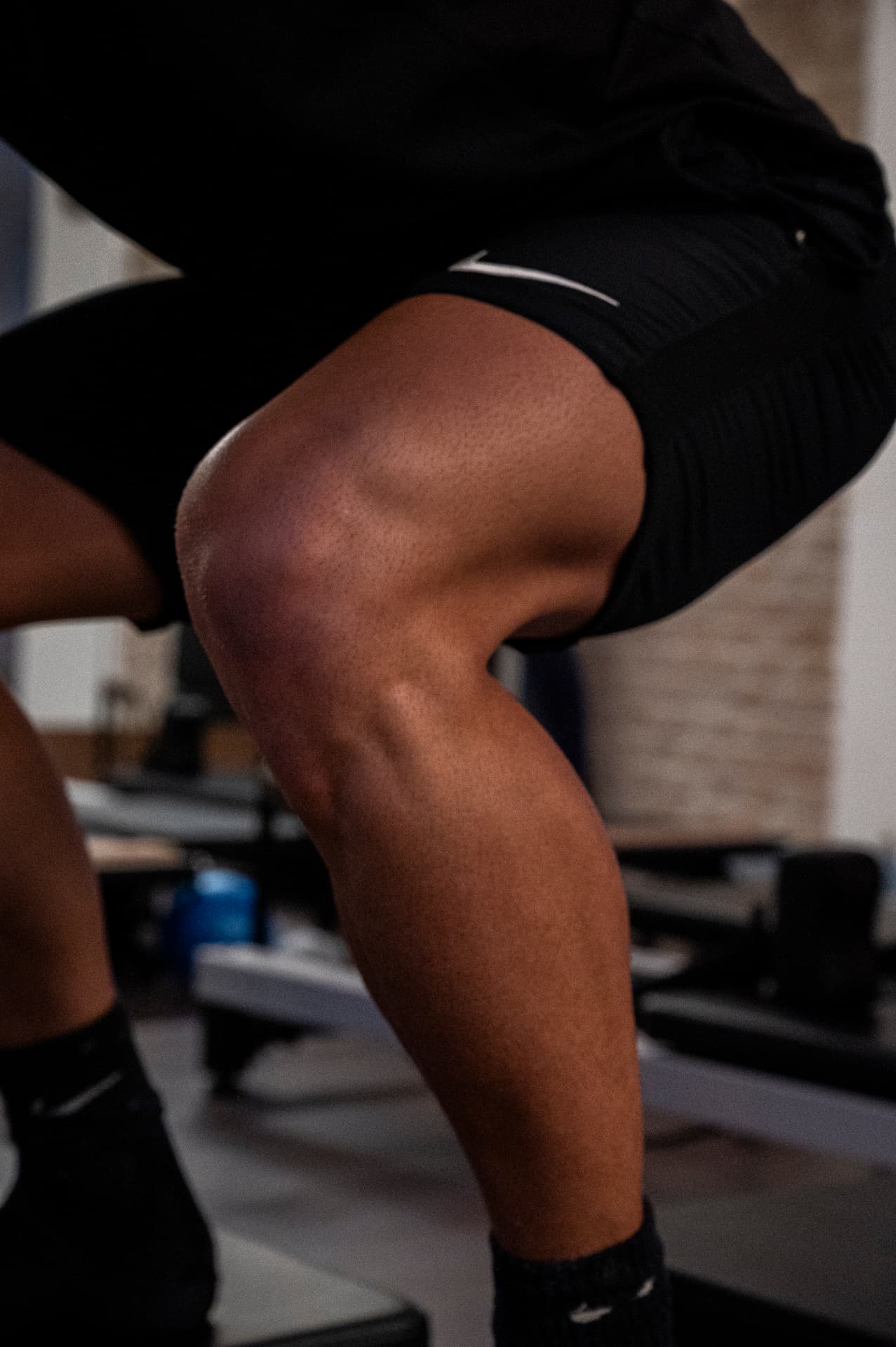
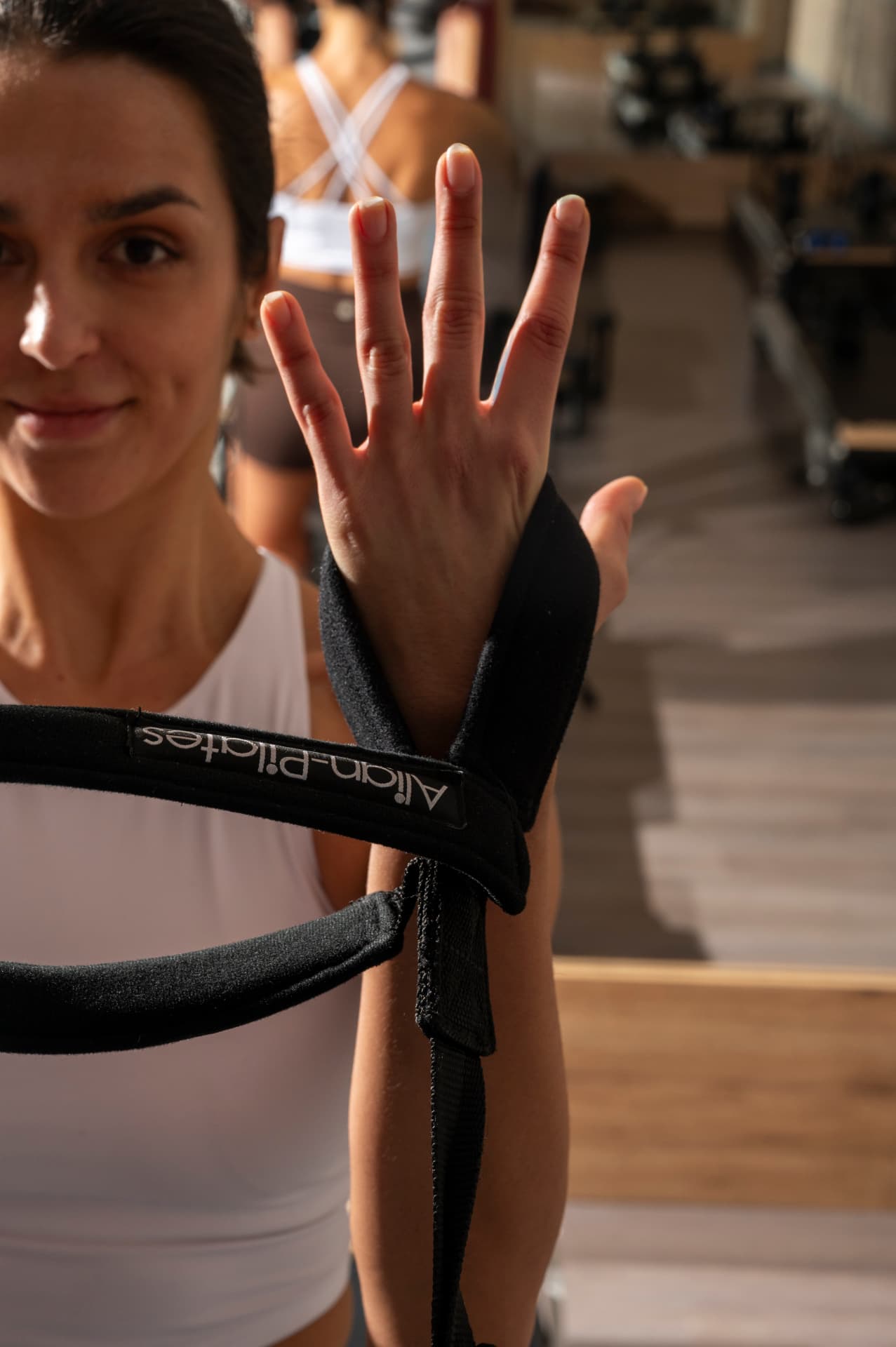
The short answer is: it can be — but it depends on how you train. A reformer is a piece of equipment, not one fixed workout. It can support precise, controlled Pilates exercises, mobility work or a genuinely challenging strength session. At ARI, we use it to build full-body strength, challenge muscles and support strong bones — while keeping movement quality at the centre.
[ In short ]
- Classical Reformer Pilates often focuses on control, precision and smaller movements with lighter resistance.
- ARI Reformer Strength is a more intense, full-body strength workout with purposeful resistance and longer working intervals.
- We build on the foundations of classical strength training and mix in the best influences from yoga, Pilates, dance training and classical mobility training.
What is classical Reformer Pilates?
Classical Reformer Pilates is built around control, precision, alignment and conscious movement. Exercises are often performed slowly, with smaller ranges of motion and relatively light spring resistance. The reformer supports the body while asking for stability and coordination.
It is a thoughtful and effective method in its own right. Different studios teach it differently — and that is exactly the point: seeing a reformer in a room does not tell you how the class will feel.
What makes strength training on the reformer different?
For us, the reformer is a strength-training tool. The springs create resistance, the moving carriage asks for control, and the setup lets us train through a wide range of positions. We choose exercises, resistance and tempo with one goal: to make your body stronger as a whole.
That means legs, glutes, back, shoulders and core all get real work. Resistance training helps build muscle and can support bone strength when it is progressed appropriately. The reformer also lets us adjust the challenge to the person in front of us — without making the session less purposeful.
Explore ARI Reformer Strength →It is active — and designed to feel like a workout.
This is not stretching on a moving carriage. Our classes use shorter breaks, longer working intervals and deliberately challenging exercise sequences. Instead of doing one leg exercise, then one core exercise, then one shoulder exercise, we may build a focused block that fully challenges your legs before moving into a demanding core block.
The result is more intensity, more time under tension and a class that feels athletic from start to finish. You will still move with control — but you will also work hard.
Where does the ARI method come from?
ARI did not begin with the idea that one training tradition has every answer. We took the progressive resistance and full-body logic of classical strength training, then added what we value most from yoga, Pilates, dance training and classical mobility work.
There is also a little bodybuilding logic in the mix — yes, really. Some resistance machines used in strength training work with movement and loading principles that feel surprisingly familiar on a reformer. The machine is not reserved for one type of body or one style of exercise. We use those influences to create something of our own: the ARI method.
So, is Reformer Pilates strength training?
Not automatically. A reformer class becomes strength training when the resistance, exercise selection, volume and progression are designed to challenge your muscles. Some Reformer Pilates classes do that; others focus more on technique, control or mobility.
At ARI, the answer is clear: our Reformer Strength classes are strength training on the reformer. They are Pilates-inspired, but the goal is not to copy a traditional Pilates class. The goal is to help you become stronger, move well and keep progressing.
Which class should you choose?
Choose Reformer Strength if you want a challenging, structured full-body workout. If you want to move more slowly and focus on range, control and release, our Reformer Mobility classes may be a better fit. New to the machine? Start with a Beginners Class — we will show you the setup, springs and basic movements before asking you to push harder.
- Reformer Strength: full-body resistance training and progressive challenge.
- Reformer Mobility: active mobility, control and usable range of motion.
- Beginners Class: a guided first step onto the reformer.
Same machine. A different training intention. Strength training, mobility and movement — the ARI way.